Beyond Childhood: The Modern Resurgence of Coloring
In today’s fast-paced digital world, our brains are constantly bombarded with notifications, deadlines, and information overload. It’s no wonder that many are seeking refuge in "analog" hobbies. One of the most effective and accessible methods to emerge in recent years is coloring. Once dismissed as a simple childhood pastime, coloring has been embraced by psychologists and mindfulness experts as a legitimate tool for stress reduction.
But what is it about filling in shapes with color that makes us feel so much better? Let’s dive into the science and the soul of this creative practice.
How Coloring Calms the Mind
The act of coloring involves both logic and creativity. When we choose colors and focus on staying within the lines, we activate the analytical part of the brain. Simultaneously, the creative side is engaged when we mix shades and imagine the final piece. This bilateral brain activity has a unique calming effect.
1. Relaxing the Amygdala
The amygdala is the "fear center" of the brain, responsible for the fight-or-flight response. When you focus on a repetitive, beautiful task like coloring, it allows this part of the brain to rest. This leads to an immediate reduction in feelings of anxiety and panic.
2. Entering a "Flow State"
Flow is a psychological state where a person is fully immersed in an activity. While coloring, the outside world tends to fade away. You stop worrying about tomorrow’s meeting or yesterday’s mistakes. This state of "mindfulness" is similar to meditation, but often easier to achieve for those who find sitting still in silence difficult.
The Physical and Mental Benefits
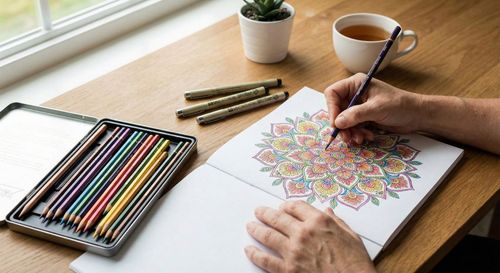
The benefits of picking up a set of colored pencils extend far beyond just "feeling relaxed." Regular coloring sessions can lead to long-term improvements in your well-being:
- Improved Sleep: Replacing screen time with coloring before bed reduces blue light exposure, helping your brain produce melatonin more naturally.
- Enhanced Motor Skills: The precise movements required to color intricate patterns help maintain hand-eye coordination and fine motor skills.
- Increased Focus: In an era of multitasking, coloring trains your brain to focus on a single, singular task.
- A Sense of Accomplishment: Finishing a beautiful page provides a low-stakes sense of achievement that can boost your mood and self-esteem.
Coloring as a Creative Outlet
Many people believe they aren't "artistic" because they can't draw a bowl of fruit from scratch. Coloring removes the intimidation of the blank canvas. The structure is already there for you; your only job is to bring it to life. This lowered barrier to entry makes art therapy accessible to everyone, regardless of skill level.
"Coloring allows us to switch off our brains from other thoughts and focus on the moment, which is the core of mindfulness."
How to Start Your Relaxing Coloring Routine
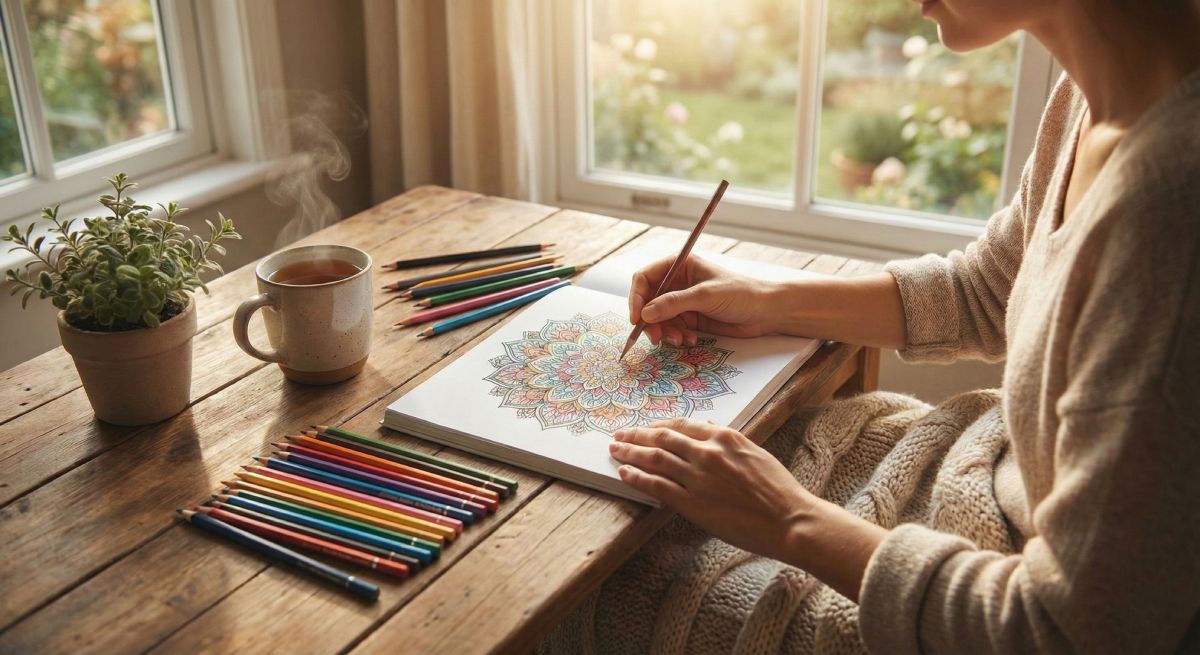
To get the most out of this practice, try to treat it as a ritual rather than just another task on your to-do list:
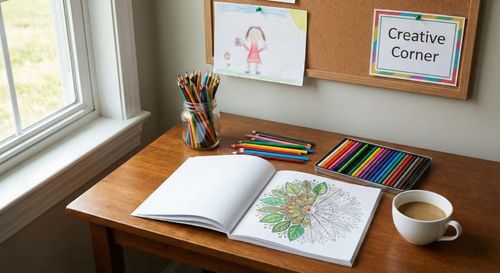
- Create a Dedicated Space: Find a quiet spot with good lighting and a comfortable chair.
- Minimize Distractions: Put your phone in another room or switch it to "Do Not Disturb" mode.
- Listen to Background Sounds: Soft lo-fi music, nature sounds, or a calm podcast can enhance the experience.
- Don’t Aim for Perfection: There are no wrong colors. If you want a blue sun or a purple tree, go for it! The process is more important than the result.
Conclusion
Coloring is more than just a way to pass the time; it is a bridge to a calmer, more centered version of yourself. By dedicating just 15 to 20 minutes a day to this simple creative act, you can significantly lower your stress levels and rediscover the joy of pure, focused creativity. So, grab your pencils, download a fresh design, and let the stress melt away one stroke at a time.