The Hidden Power of the Humble Crayon
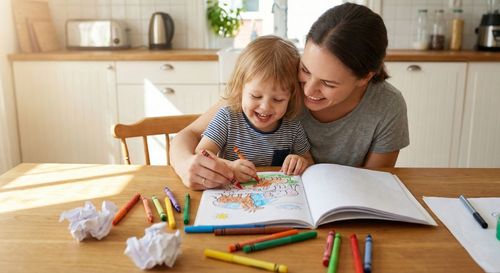
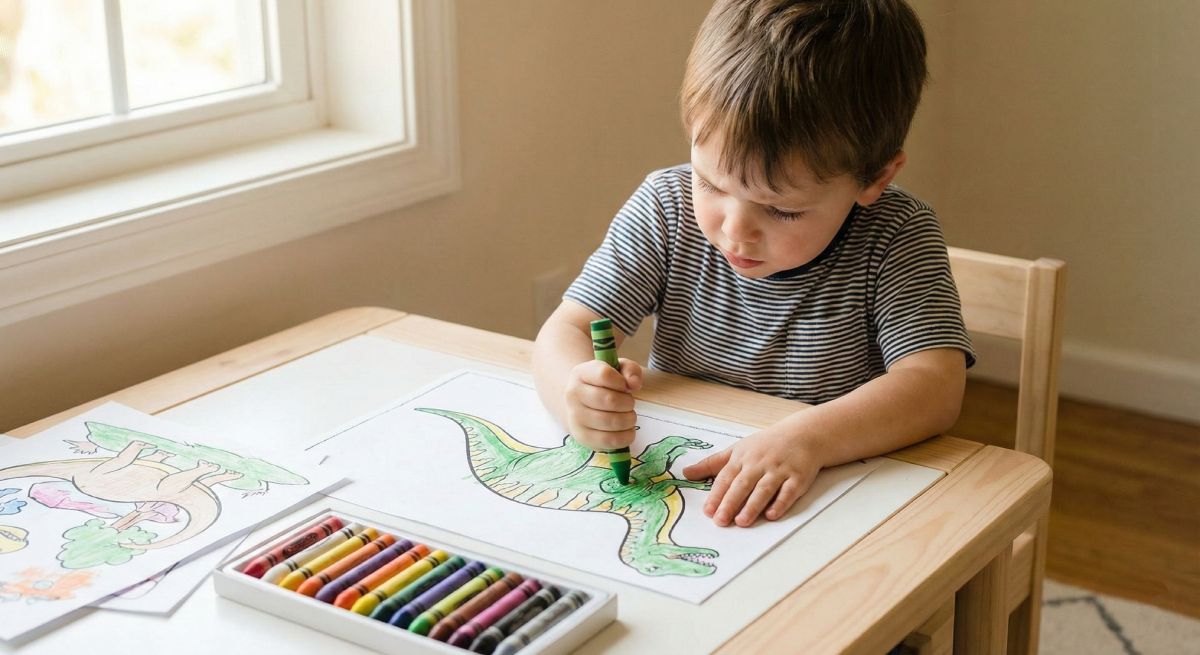
When we see a child hunched over a coloring book, carefully (or not so carefully) filling in the shape of a dinosaur or a flower, we often just see a quiet moment of play. However, beneath the surface, a complex set of developmental milestones is being reached. Coloring is far more than a way to keep children occupied; it is a fundamental "workout" for the brain and the small muscles of the hand.
In an age where digital tablets are often the first thing a child reaches for, the physical act of holding a crayon and applying pressure to paper is becoming increasingly vital for healthy development. Let’s explore why this classic activity is a must-have in every child’s daily routine.
1. Strengthening Fine Motor Skills
Fine motor skills involve the coordination of small muscles in the hands and fingers. These skills are essential for nearly every task in life, from buttoning a shirt to tying shoelaces and, eventually, writing by hand.
Developing the Proper Grip
Holding a crayon requires a specific type of strength and coordination. Initially, toddlers use a "palmar supinate" grip (holding the crayon in their fist). As they color more frequently, they transition to the "tripod grip"—the same grip used for writing with a pen. Coloring allows children to practice this grip in a low-pressure environment, strengthening the intrinsic muscles of the hand without the stress of formal writing lessons.
Control and Precision
As children grow, they move from random scribbles to intentional strokes. This progress is a sign of increasing motor control. Learning to stay within the lines (even if they miss a lot at first) teaches them how to regulate the movement of their wrist and fingers, providing a foundation for neat handwriting in the future.
2. Enhancing Hand-Eye Coordination
Hand-eye coordination is the ability of the vision system to coordinate the information received through the eyes to control, guide, and direct the hands in the accomplishment of a given task. Coloring a specific area requires the eyes and hands to work in perfect harmony.
- Spatial Awareness: Children learn to identify the boundaries of a shape and plan their movements accordingly.
- Visual Perception: Recognizing the difference between the "inside" and "outside" of a drawing helps develop visual-spatial skills.
- Depth and Scale: Choosing which part of a drawing to color first helps children understand how different elements of a picture relate to one another.
3. Boosting Concentration and Focus
In our modern world, attention spans are under constant threat from fast-paced media. Coloring is a "slow" activity that rewards patience and persistence. It is one of the few activities that can keep a young child engaged for an extended period.
When a child commits to finishing a page, they are training their brain to ignore distractions. This "deep work" for kids builds the mental stamina required for classroom learning. Completing a coloring page from start to finish also provides a significant boost to a child’s sense of accomplishment, teaching them that sustained effort leads to a beautiful result.
4. The Bridge to School Readiness
Many educators view coloring as a precursor to formal schooling. It introduces children to the structure of sitting at a desk and focusing on a single task. Beyond the physical benefits, it also helps with:
- Color Recognition: Learning the names of colors and how they can be blended to create new ones.
- Structure and Boundaries: Understanding that there are rules (the lines) and learning how to work within or even creatively challenge them.
- Patience: Learning that a large drawing takes time and effort to complete.
A Safe Space for Self-Expression
While the developmental benefits are measurable, we shouldn't overlook the emotional value. For a child, a coloring page is a world they control. They decide if the grass is purple or the sky is orange. This sense of autonomy is crucial for emotional development and building creative confidence.
"Coloring is the first step in a child's journey from observing the world to actively creating their place within it."
Conclusion
The next time you see your child reaching for a coloring book, remember that they aren't just "playing." They are refining their motor skills, sharpening their focus, and preparing their minds for the challenges of school and beyond. It is one of the most beneficial, cost-effective, and enjoyable tools a parent can provide. So, clear the table, grab some fresh pages, and let the developmental magic happen—one stroke at a time.